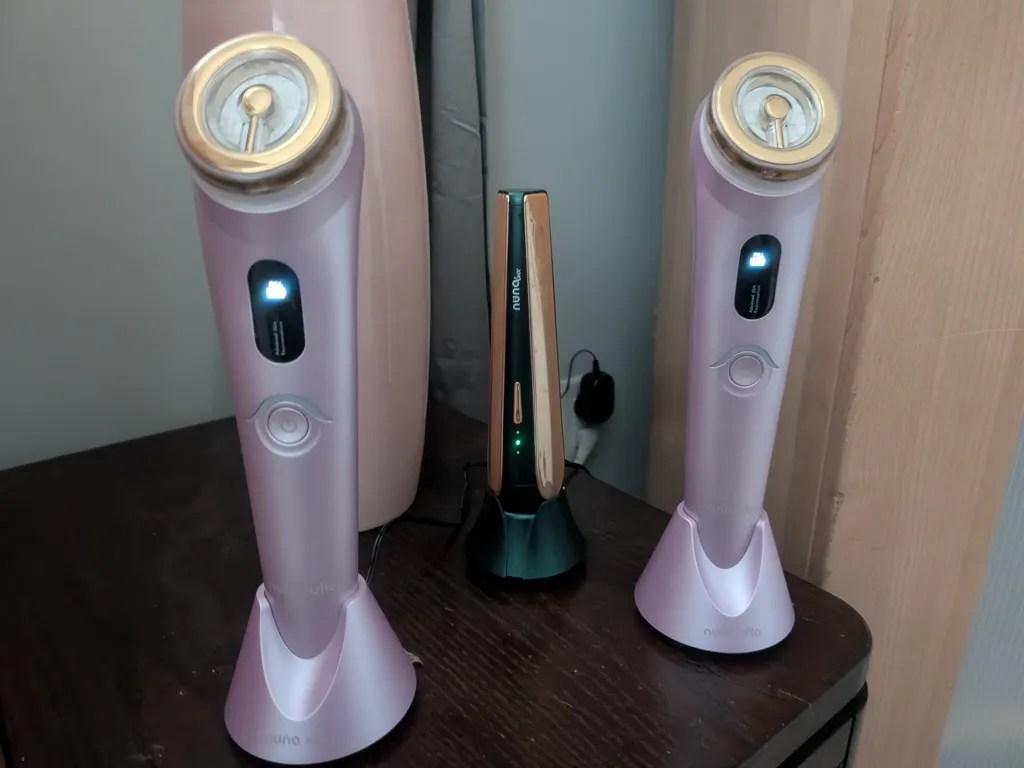
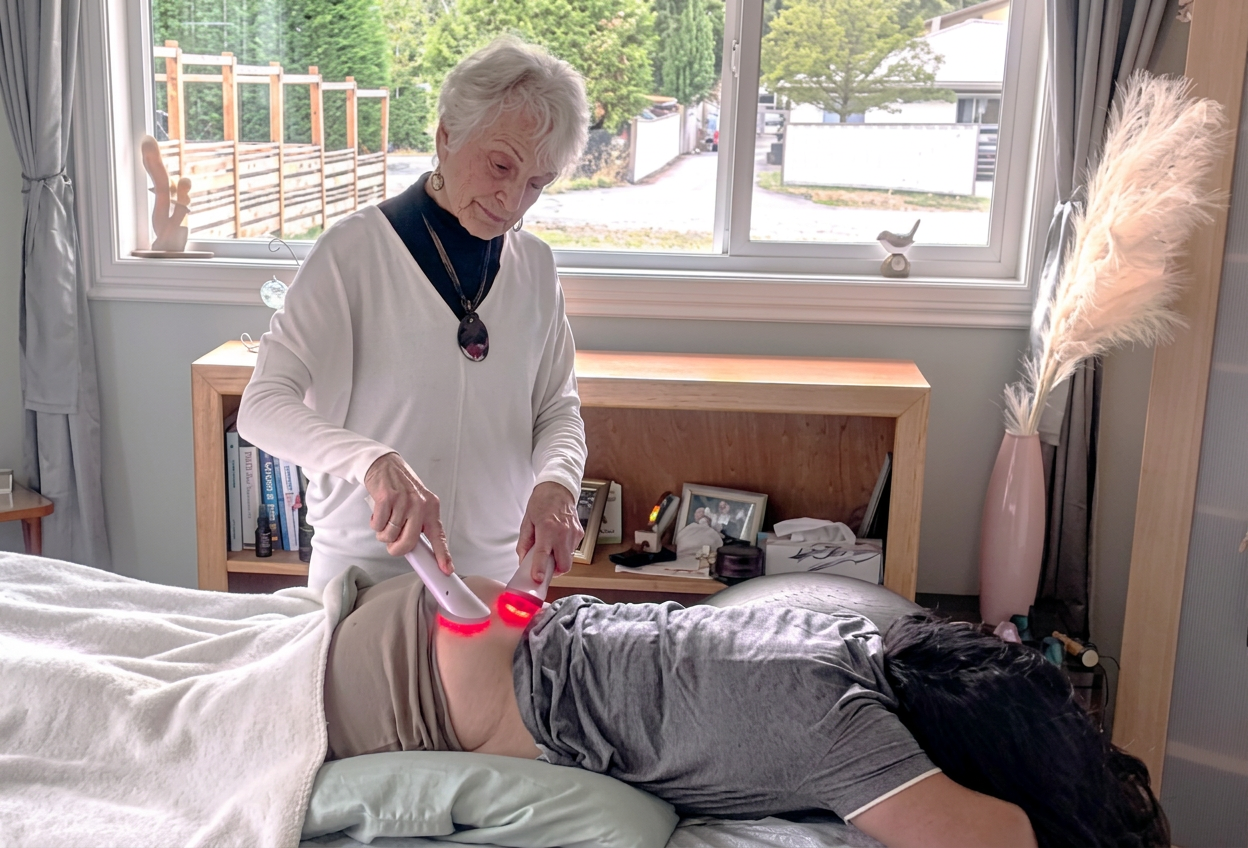
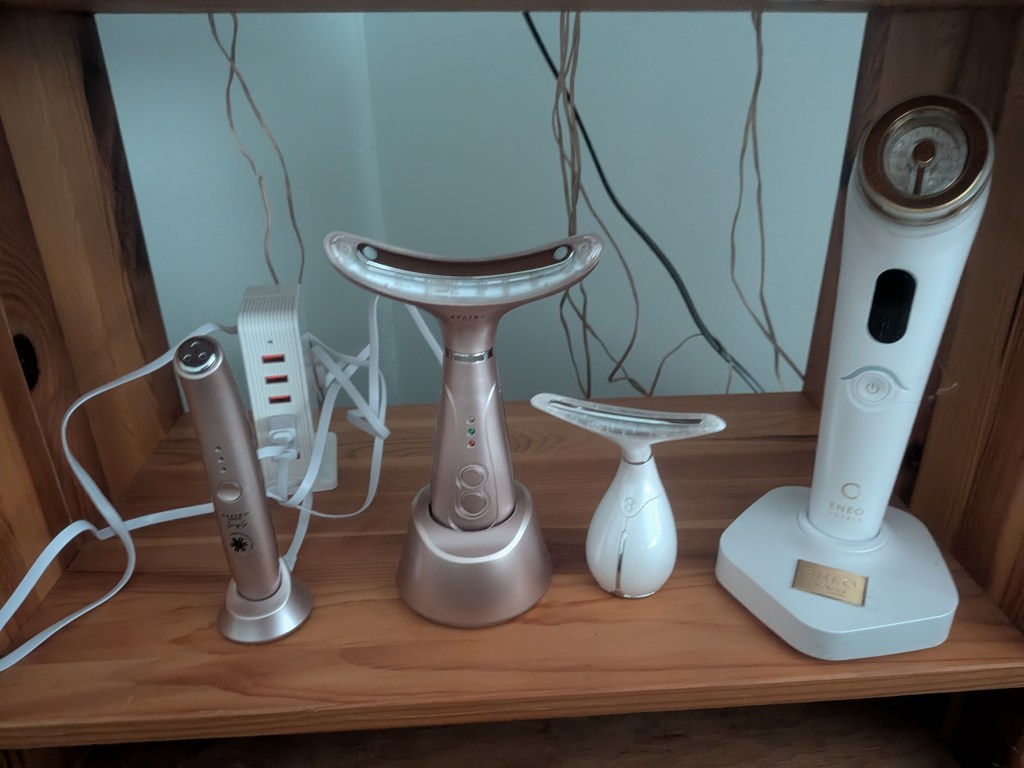
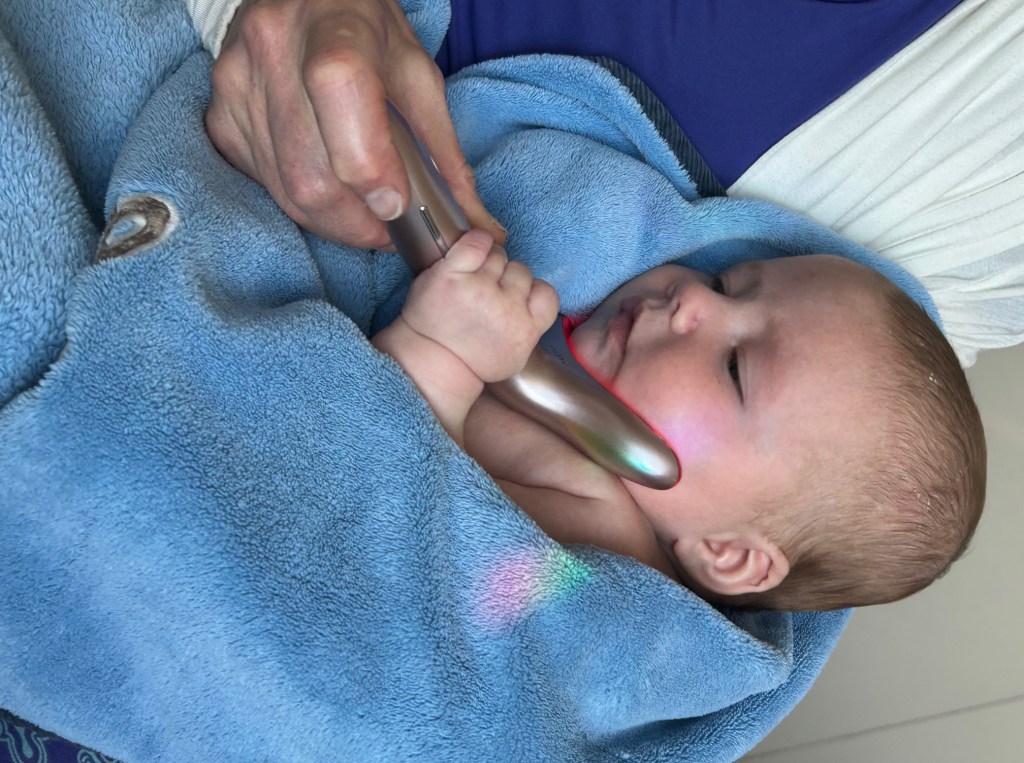
U shaped device is especially useful to treat tiny neck (see below) and small bodies
August 2026
A description from a client as to how she has been impacted by Red Light Therapy
My body has been through grand mal seizures, breast & ovarian cancers & has now been thrown into the confusing and uncomfortable world of fibromyalgia. With so many people offering advice on how to not only survive but to thrive, I was, to be honest, a little leery of red light therapy. Fibromyalgia, among other ailments, is something doctors know little about and either give band-aid solutions to or write off as all in your mind. I didn’t know what to expect by coming to Listening Hands Physiotherapy but I was game to try – I had nothing to lose and everything to gain.
I kept a notebook – on day 3 I wrote: ‘it’s easy to say where the pain is; it’s harder, at this point, to judge the success of the treatment. However, I do believe it takes time for the body to catch up and remember how it is supposed to be.’
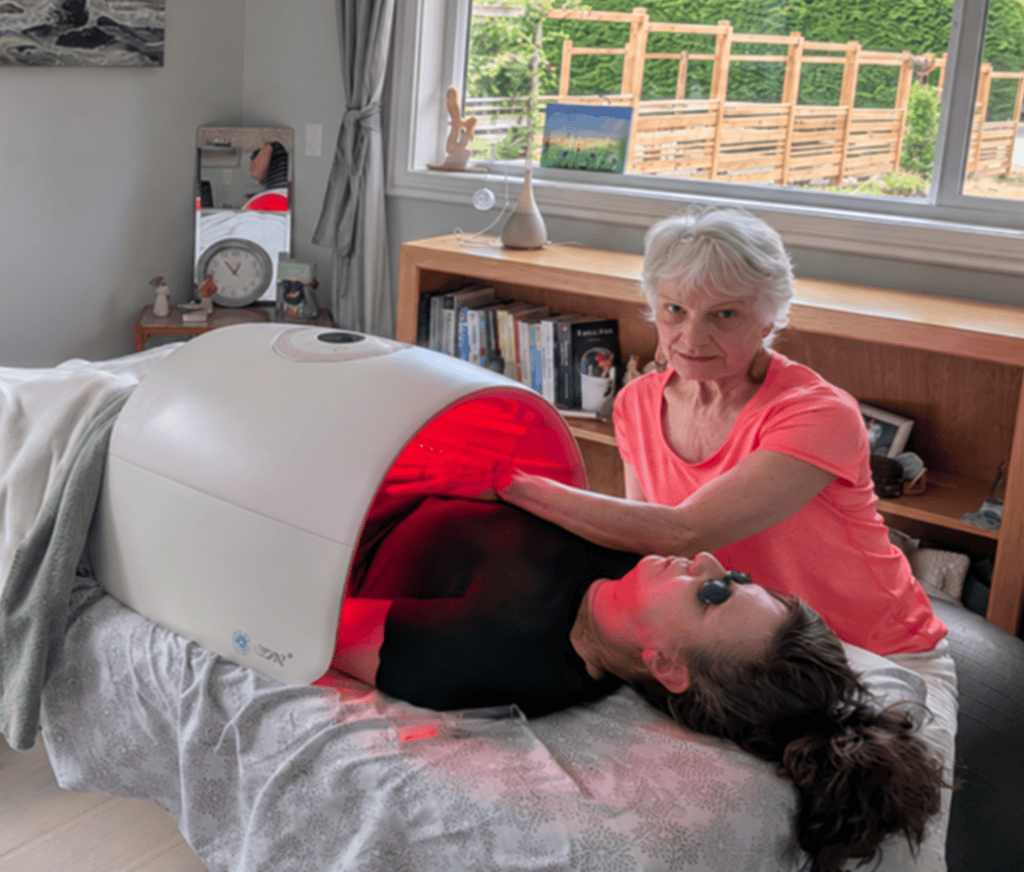
Red light therapy was interesting for someone who had never seen it before. One might associate red light with heat but by the end of the allotted time, it was barely warm. In my situation I lay on treatment bed with the red light dome over my torso. There is no discomfort. It is very relaxing. I don’t know how Tylenol works on the precise location of pain, nor do I understand how red light therapy reaches deep to aid sore joints and assist in recalibrating my nervous system through the vagus nerve. But I do know after several appointments my symptoms were lessening, I was thinking more clearly, and my energy had improved. As far as my health goes, I am a researcher, so I learned more about red light therapy. Below are links to the science of it.
I didn’t believe red light, in this instance, could do as was claimed. It was indeed a surprise that something so gentle could be so powerful. I look back now and say I’m glad I didn’t let doubt win; I’m glad it’s been proven to work. Living is so much easier now. Pam Bedwell
How Photobiomodulation therapy (PBMT) Works
PBMT—utilizing low-intensity lasers (LLLT) and light-emitting diodes (LEDs)—is a non-invasive, drug-free, and side-effect-free treatment that reduces pain and inflammation in both acute and chronic musculoskeletal conditions. [1, 2]
- Cellular Energy: Specific red and near-infrared light wavelengths penetrate tissue and are absorbed by cell mitochondria, increasing adenosine triphosphate (ATP) production. [1, 2]
- Anti-Inflammatory Effects: It decreases pro-inflammatory cytokines and modulates cellular oxidative stress. [1, 2]
- Nerve Signaling Modulation: It alters peripheral nerve pain signals to deliver short-term and ongoing analgesia without thermal damage to the tissue. [1, 2]
- Effectiveness depends heavily on proper dosage parameters; applying too little or too much light can diminish results. How It Works (The Two Phases)
- Too Little Light (Sub-threshold): If the exposure time, power, or energy density (fluence) is too low, the cells do not receive enough energy to trigger a response, resulting in little to no benefit.
- The Sweet Spot (Stimulation Phase): Moderate doses stimulate the mitochondria (specifically cytochrome c oxidase), increasing ATP (cellular energy) production, improving blood flow, and using low levels of reactive oxygen species (ROS) as helpful signaling molecules for tissue repair and anti-inflammatory action.
- Too Much Light (Inhibition Phase): If you overexpose the tissue by leaving the light on too long or using a power density that is too high, the excess energy creates too much oxidative stress, overheats tissue, or triggers inhibitory pathways that stall healing or cause cellular stress
Common Musculoskeletal Conditions Treated
Research supports the use of PBMT for reducing pain intensity and improving functional mobility across several key areas:
- Non-Specific Knee Pain & Osteoarthritis: Helps lower pain scores, decrease joint stiffness, and enhance physical function over time.
- Low Back Pain: Used as part of multimodal care to alleviate chronic or acute lower back discomfort.
- Neck Pain: Clinical reviews indicate reduced pain levels for both acute and chronic neck conditions when dosed appropriately.
- Fibromyalgia: Assists in managing widespread pain sensitivity and tender points, particularly when paired with guided exercise.
- Temporomandibular Disorders (TMD): Reduces jaw pain and improves range of motion when applied across affected facial and masticatory muscle groups.
- Post-Total Hip Arthroplasty: Aids in early post-operative pain management and tissue recovery following joint replacement.
- Tendonopathies & Soft Tissue Injuries: Frequently applied in sports medicine for conditions like tennis elbow, Achilles tendinopathy, rotator cuff strains, and plantar fasciitis
- Integration into Care
- PBMT works best not as a standalone cure, but when integrated into a structured rehabilitation framework that includes active exercise, load management, and manual therapy.
